

What Is Invisalign and Why Is It So Popular?
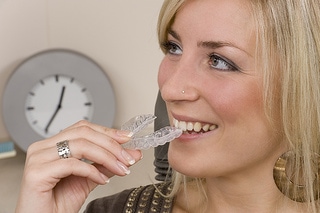
Invisalign is a system of custom clear removable aligners created by Align Technology that straightens teeth without traditional metal brackets or wires. These aligners are made from SmartTrack material, a patented thermoplastic designed specifically for orthodontic tooth movement.
If you’re considering Invisalign, understanding how the treatment works will help you make a confident decision. At practices like Cassinelli, Shanker & Associates, orthodontists use 3D treatment planning software to map out every stage of your smile before you even begin wearing your first tray. Since its introduction, Invisalign has treated over 17 million patients worldwide, making it one of the most widely used clear aligner systems available today.
So why has Invisalign become such a popular choice? For teens and adults alike, the appeal comes down to aesthetics and lifestyle flexibility. Smiling confidently throughout treatment is easy because the aligners are nearly invisible. You can also remove them for meals, special occasions, and your daily brushing routine.
Not every dental provider can offer Invisalign, though. Only certified Invisalign providers have completed the specialized training required to plan and oversee treatment. This certification matters because proper case selection and treatment planning directly impact the quality of your results.
For younger patients, Invisalign Teen offers features specifically designed for adolescent lifestyles. These include compliance indicators that fade with wear time and replacement aligners in case one gets lost. Parents appreciate knowing their teen’s treatment stays on track, while teens love the discreet look.
How Invisalign Treatment Works: Step by Step
Invisalign treatment works in five steps: initial exam, digital 3D scanning, custom ClinCheck treatment planning, wearing sequential aligners 20 to 22 hours daily, and progress check-ups every six to eight weeks. The full process typically takes 12 to 18 months, though your orthodontist will provide a personalized timeline based on your specific case.
Here’s how treatment unfolds at a typical orthodontic office:
Step 1: Initial Complimentary Exam
You’ll start with a thorough evaluation by a certified Invisalign provider. During this visit, the orthodontist examines your teeth, bite, and jaw alignment. From there, they’ll discuss your smile goals and determine whether Invisalign is the right fit for your specific needs.
Step 2: Digital 3D Scanning
Remember the days of biting into trays full of goop? Those are mostly gone. Today’s Invisalign providers use iTero digital impression scanners to capture highly accurate 3D images of your teeth in minutes. This scan becomes the foundation for your entire treatment plan, and most patients are surprised at how quick and comfortable the process feels.
Step 3: Custom ClinCheck Treatment Plan
Here’s where things get exciting. Using the digital scan, the orthodontist creates a ClinCheck treatment plan, proprietary software that maps out exactly how each tooth will move throughout treatment. You’ll actually see a digital preview of your projected results before committing, so you know what you’re working toward from day one.
Step 4: Wearing Your Aligners
Once your custom aligners arrive, each set is worn for one to two weeks before switching to the next in the series. The key to success? Keeping aligners in for 20 to 22 hours daily. Remove them only for eating, drinking anything besides water, and oral hygiene. Most patients settle into this routine within the first week or so.
Step 5: Progress Check-Ups
Every six to eight weeks, a progress check with your orthodontist keeps everything on track. These appointments are typically quick since there are no wires to adjust. The provider ensures teeth are tracking as planned, gives you your next sets of aligners, and answers any questions that have come up since your last visit. Many patients find these check-ins reassuring, especially early in treatment when everything still feels new.
Key Benefits of Choosing Invisalign Over Traditional Orthodontics
Clear aligners offer advantages that make orthodontic treatment fit more easily into your daily life. Here’s what draws so many patients to Invisalign:
Nearly Invisible Appearance
The transparent aligners blend with your natural teeth. Most people won’t notice you’re wearing them unless you point it out. This discreet look helps you feel confident at work, school, and social events throughout your treatment. For adults in professional settings, this is often the single biggest factor in choosing clear aligners over traditional metal braces.
Nothing Is Off the Menu
Pizza, popcorn, corn on the cob. Nothing is off-limits. Since you remove your aligners before meals, all your favorite foods are still on the table without worrying about breaking brackets or getting food stuck in wires. Compare that to the restricted diet that comes with traditional metal braces, and you can see why so many patients prefer the flexibility.
Easier Brushing and Flossing
Keeping your teeth clean during treatment is simple. Remove your aligners, brush and floss normally, then pop them back in. There’s no threading floss under wires or using special brushes to clean around brackets, which means your oral hygiene routine stays almost exactly the same as it was before treatment.
Fewer Emergency Visits
Without metal components, you won’t experience the broken brackets or poking wires that often send traditional metal braces patients rushing to the orthodontist. Fewer unexpected appointments means less disruption to your schedule, and that’s a real benefit for busy families and working professionals.
Comfortable Fit
The smooth plastic edges of Invisalign aligners are gentle on your cheeks and gums. Many patients find them more comfortable than the brackets and wires of traditional metal braces, especially during the first few weeks. Some mild pressure is normal when switching to a new tray, but it typically fades within a day or two.
When choosing a provider, look for board certified orthodontists rather than general dentists offering Invisalign as an add-on service. Why does this matter? Orthodontists complete two to three years of specialized residency training beyond dental school, focusing exclusively on tooth movement and bite correction. That depth of training makes a real difference when creating a treatment plan for anything beyond minor spacing adjustments.
Invisalign ranks providers in tiers based on case volume, from Bronze to Diamond Plus. While tier level alone doesn’t guarantee quality, it does reflect how frequently a provider works with the system. A practice like Cassinelli, Shanker & Associates brings both orthodontic expertise and consistent Invisalign experience, the kind of combination that leads to predictable, great results. During your complimentary exam, pay attention to how thoroughly the orthodontist evaluates your bite, not just the alignment of your front teeth. A good provider will discuss both the cosmetic and functional goals of treatment and explain why Invisalign is or isn’t the best option for your specific case.
Invisalign vs. Braces: Which Option Is Right for You?
Both Invisalign and traditional metal braces can deliver the smile you want, but they work differently and suit different situations. Based on typical orthodontic treatment outcomes, here’s how they compare across key factors:
| Factor | Invisalign | Traditional Metal Braces |
|---|---|---|
| Appearance | Clear, nearly invisible | Metal or ceramic brackets visible |
| Comfort | Smooth plastic, removable | Wires and brackets may irritate |
| Treatment Time | 12-18 months (varies by case) | 18-24 months (varies by case) |
| Oral Hygiene | Remove to brush and floss normally | Requires special cleaning techniques |
| Food Restrictions | None when aligners are removed | Avoid hard, sticky, crunchy foods |
| Best For | Mild to moderate alignment issues | Complex cases, severe malocclusion |
When Does Invisalign Work Best?
Clear aligners work wonderfully for crowding, spacing, and many bite issues. If you value discretion and flexibility, Invisalign may be your ideal choice. Adults and teens who can commit to wearing aligners consistently tend to see excellent results.
When Are Traditional Metal Braces a Better Choice?
Some orthodontic situations call for the precise control that brackets and wires provide. Severe malocclusion, significant skeletal discrepancies, or complex tooth rotations may respond better to traditional metal braces. An orthodontist can also treat these cases with braces when patient compliance with removable aligners might be a concern.
A complimentary exam with an orthodontist who offers both orthodontic treatment options is the best way to find out which approach suits you. Board certified orthodontists can evaluate your specific situation and recommend the treatment most likely to give you the great smile you’ve always wanted.
How Much Does Invisalign Cost?
Invisalign treatment typically ranges from approximately $3,000 to $8,000. The actual cost depends on several factors specific to your case, and it’s worth understanding what drives those numbers before your first appointment.
What Influences Your Treatment Cost?
- Case Complexity: More severe crowding or bite issues require more aligners and longer treatment
- Treatment Duration: Longer treatment timelines typically mean higher costs
- Provider Experience: Orthodontists with extensive Invisalign experience may have different fee structures
- Geographic Location: Costs vary by region and local market factors
How Can You Make Invisalign More Affordable?
Many dental insurance plans now cover Invisalign the same way they cover traditional metal braces. Check with your insurance provider about your orthodontic benefits, because you might have more coverage than you realize.
Beyond insurance, most orthodontic practices offer flexible payment plans that spread costs over your treatment period. Health Savings Accounts (HSA) or Flexible Spending Accounts (FSA) let you pay with pre-tax dollars, which can make a meaningful difference in your out-of-pocket expense.
The most accurate way to understand your investment is to schedule a complimentary exam. At practices like Cassinelli, Shanker & Associates, the orthodontist will evaluate your specific needs and provide a treatment estimate tailored to your case. Many practices offer complimentary initial exams to help you explore your options without financial pressure, so there’s no reason to guess at cost when you can get a real number.
Who Is a Good Candidate for Invisalign?
Good candidates for Invisalign include teens and adults with mild to moderate orthodontic concerns such as crowding, spacing, overbite, underbite, or crossbite, who can commit to wearing aligners 20 to 22 hours per day. Your orthodontist will confirm candidacy during a clinical evaluation.
That said, Invisalign isn’t right for everyone. Understanding candidacy helps you set realistic expectations before scheduling your complimentary exam.
What Conditions Does Invisalign Treat Well?
Clear aligners handle many orthodontic issues effectively. Crowded teeth, whether mild or moderate, respond well to the gradual movement Invisalign provides. Gaps and spacing issues are another common case type.
Bite concerns, including overbite, underbite, crossbite, and mild to moderate open bite, can also be treated with clear aligners. Your orthodontist will determine during your evaluation which of these applies to your situation and whether Invisalign can deliver the results you’re looking for.
Who Is the Ideal Invisalign Patient?
Teens and adults who commit to wearing their aligners 20 to 22 hours daily see the best results. Treatment only works when you actually wear the aligners. If you think you’ll frequently forget or choose not to wear them, traditional metal braces might serve you better since they’re always working regardless of compliance.
For teenagers, Invisalign Teen addresses common concerns. Compliance indicators built into the aligners show parents and orthodontists whether the trays are being worn enough. The program also includes replacement aligners for those inevitable moments when a tray gets lost.
When Might Traditional Metal Braces Be a Better Option?
Some situations fall outside Invisalign’s capabilities. Severe skeletal jaw discrepancies, significant tooth rotations, or complex movements may require the precise control of brackets and wires. Patients who need surgical orthodontics typically start with traditional metal braces as well. Your orthodontist will be straightforward about which approach gives you the best chance of a great outcome.
How Do You Know If You’re a Candidate?
Only a clinical evaluation can determine whether you’re a good candidate. At a practice like Cassinelli, Shanker & Associates, the orthodontist will assess your teeth, bite, and jaw relationship. They’ll consider your lifestyle, commitment level, and treatment goals. This evaluation ensures you get a recommendation based on what will actually work best for your situation, whether that’s Invisalign, traditional metal braces, or another treatment option entirely. The team of board certified orthodontists at Cassinelli, Shanker & Associates can walk you through every option so you feel confident in your decision.
Frequently Asked Questions About Invisalign
How long does Invisalign treatment take?
Most Invisalign cases take 12 to 18 months to complete, though actual treatment time depends on the complexity of your case. Minor spacing issues might resolve in as few as six months, while more significant corrections could take two years. Your orthodontist will give you a projected timeline during your complimentary exam.
Does Invisalign hurt?
Expect some pressure and mild discomfort when you switch to a new set of aligners. This sensation means your teeth are moving as planned. Most patients describe it as pressure rather than anything sharp, and it typically fades within a day or two. Over-the-counter relievers can help if needed, though many patients don’t require them.
Can I eat with Invisalign in?
No. Always remove your aligners before eating or drinking anything other than plain water. Food particles can get trapped between aligners and teeth (increasing cavity risk), hot beverages can warp the plastic, and colored drinks can stain your aligners. After eating, brush your teeth before putting aligners back in to maintain good oral hygiene.
How do I find a certified Invisalign provider near me?
Look for orthodontists who have completed Invisalign certification training. Providers are ranked in tiers based on their experience level, from Bronze to Diamond Plus. While tier doesn’t necessarily indicate quality of care, it does reflect how many cases a provider has completed. Board certified orthodontists with Invisalign experience, like the team at Cassinelli, Shanker & Associates, offer the expertise to handle your treatment from start to finish.
Do I need a retainer after Invisalign?
Yes, absolutely. Retainers are essential to maintain your results after any orthodontic treatment, including Invisalign. Without retention, teeth naturally want to shift back toward their original positions. Most patients wear retainers full-time initially, then transition to nighttime wear. Your orthodontist will provide specific instructions based on your case.
What happens if I lose an aligner?
Contact your orthodontist right away. Depending on where you are in treatment, they may advise you to move to your next set early or go back to your previous set temporarily. Invisalign Teen includes replacement aligners for this reason. For adult patients, replacement trays can be ordered, though this may add time and cost to treatment.
Choosing the right orthodontic treatment is a big decision, and getting clear answers upfront makes the process easier. If you’d like to learn more about whether Invisalign is a good fit for your smile goals, a complimentary exam with a board certified orthodontist is a great place to start. At Cassinelli, Shanker & Associates, our orthodontists are creating beautiful smiles every day, and they’d be happy to help you explore your options. As your local Invisalign provider in Blue Ash, OH, we make it easy to take the first step toward a straighter, more confident smile.